Sample
Make the look
Start from a drawing, a palette, a mood. AI art can set the look.
Artists
For a data scientist, a data artist, or a model with usable data. The customer’s screen is Studio. This page is the workshop.
Sample
Artists
The pictures come from people who draw and code. Here is how one gets made.
Sample
Start from a drawing, a palette, a mood. AI art can set the look.
Sample
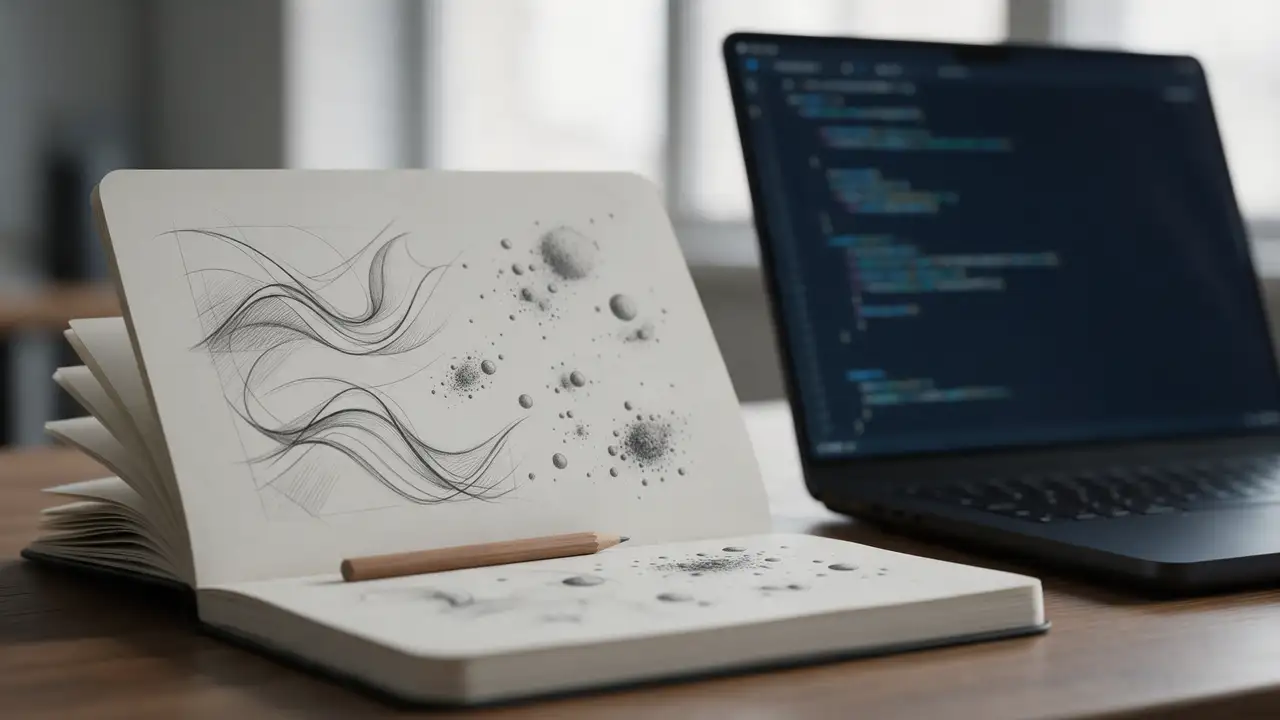
Then code ties that look to a live stream, so it moves when the world does.
Sample
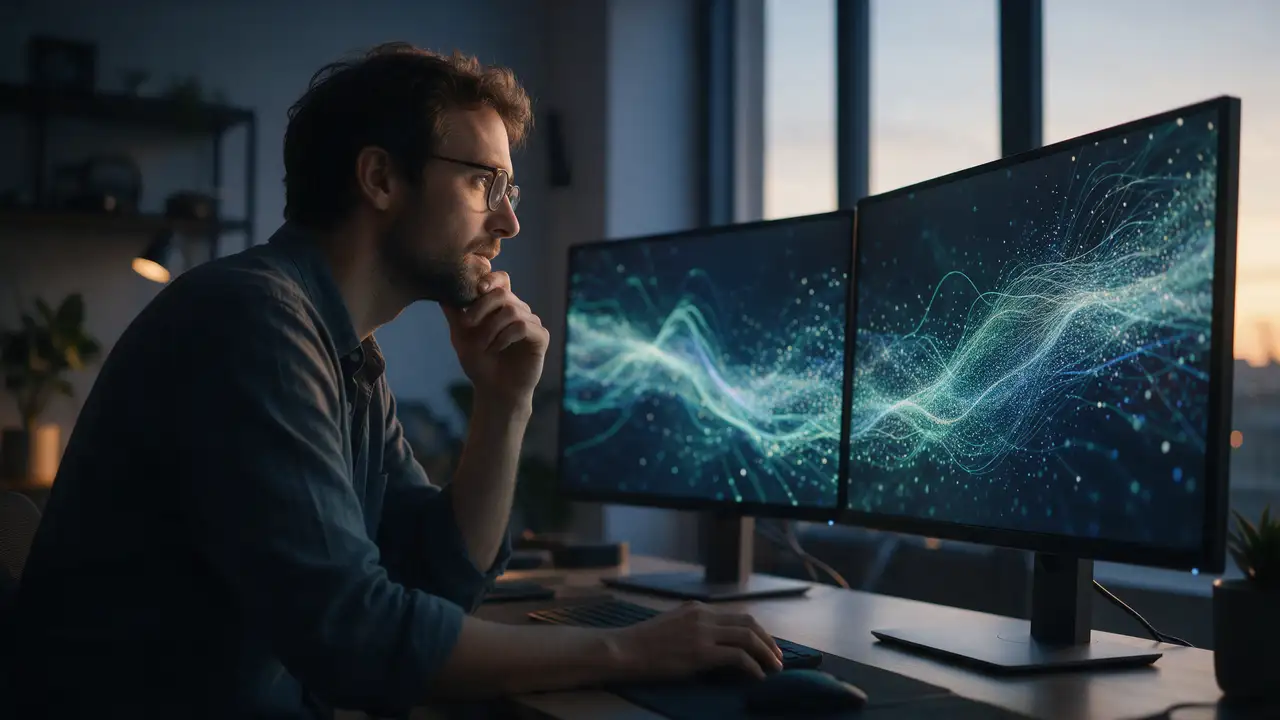
Finished pictures go into the lineup, on televisions in homes and places.
The change
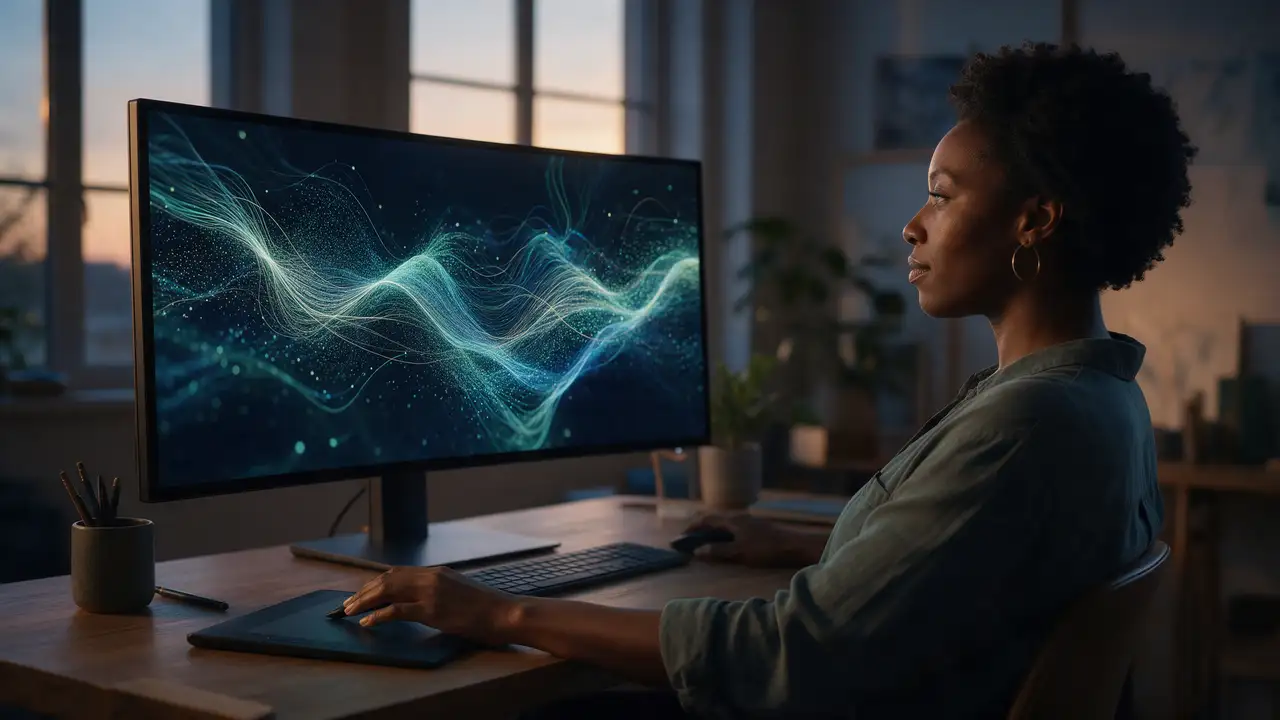
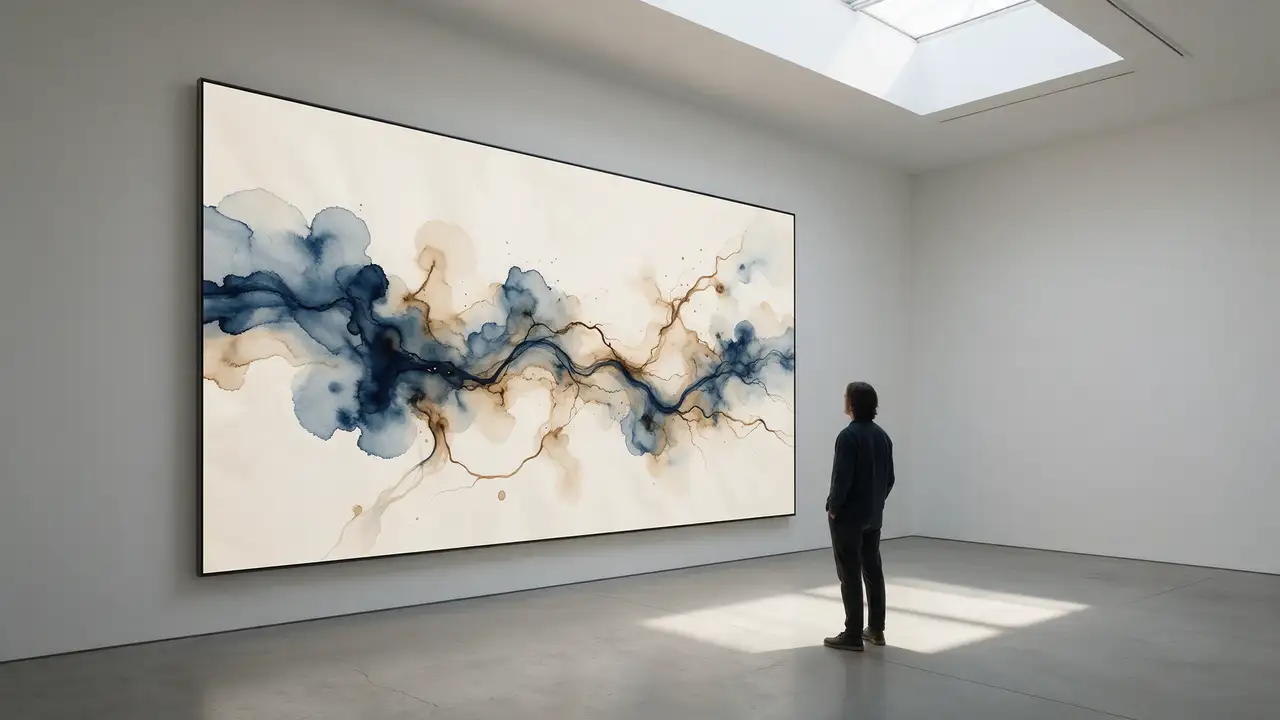
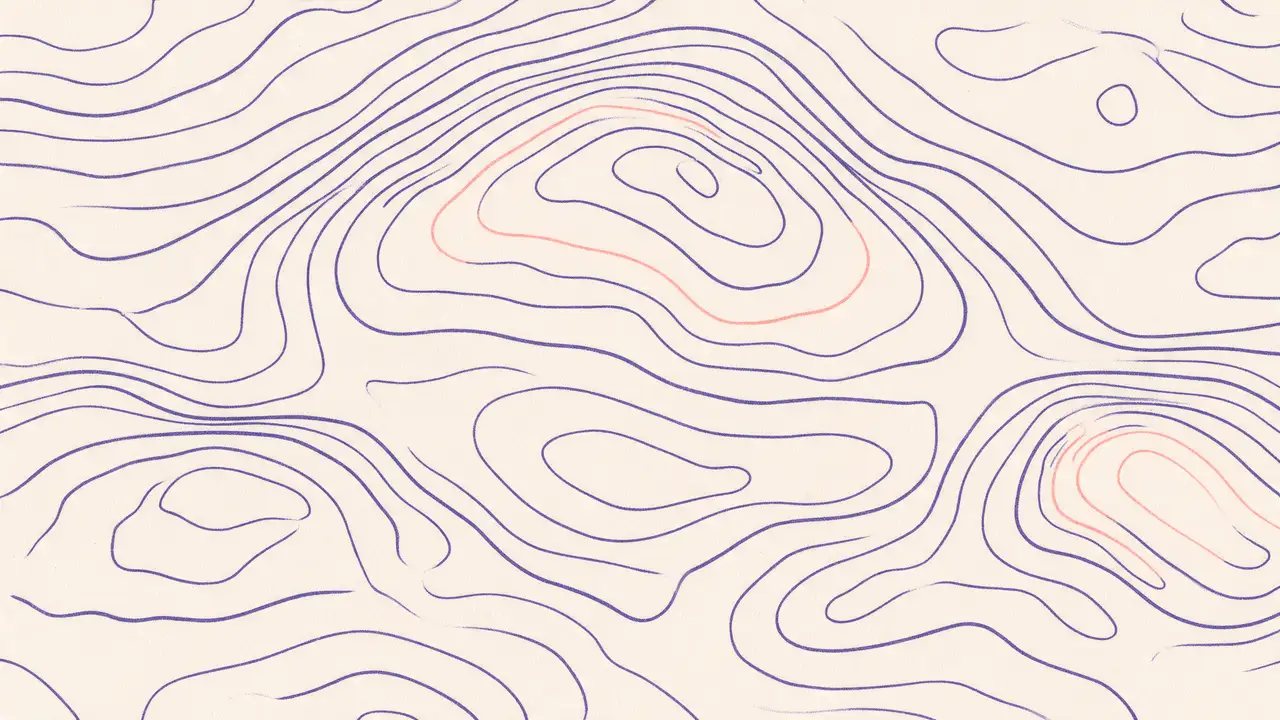
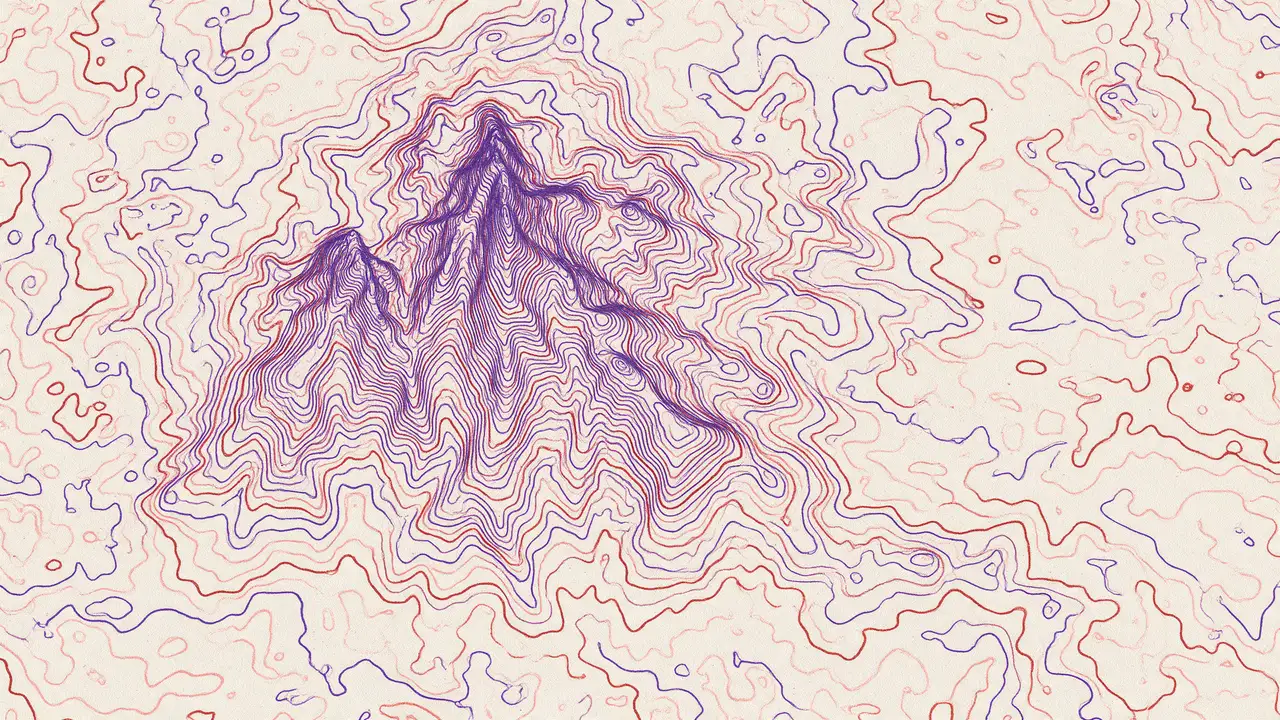
Same picture. More density, a tighter tempo, a warmer shift. These two are sample stills, made with AI image tools, standing in for an artist’s reference. The glass is code.
Sample
Sample
Who
Data art uses real data as material, then asks the picture to be felt, not only read. A chart explains. A channel has to hold a hallway.
The house seeds the library, because people who can do this are scarce. A model may build. A model is not the reviewer.
Sample
A short lineage
Reticular’s bet is the same instinct on a television you already own, with your own streams, and with the report one press away. Notice, not alarm.
A worked example
The first version was a rendering engine with no picture. The verdict was that it was mildly interesting and missed the art: equal shapes, equal spacing, a red band for trouble, motion that did not mean, and stale data that looked alive. Quiet projects were painted as emergencies. The report was a word cloud.
The second version, Summer Grasses, was rebuilt from a reference image. The objective and the leave-out were written first. Drift is tempo, density, and warmth. There is no red and no yellow. The ground is a grey, not a pure black. Health is still a stand-in, and it is labelled. A test folder checks that the picture is actually tall. Stills sit beside the reference.
That version is a draft. It has not had five minutes on the office Bravia. The CEO has not scored it. It is not approved, and it is not in the guide.
The bar
What the picture is, said once. A person who watches for a minute should feel more, less, near, far, new, or old, without reading.
Written down. The art is the cut.
Quiet, drifted, and the one that needs a person. Readable in one second at ten feet. Stale must not look like quiet.
No red and no yellow. Drift shows up as tempo, density, and warmth. Unknown stays grey.
Not pure black. Fine lines die on the set.
Draw at the screen’s true pixels. Lay text out on that stage. In the report, type is at least 40 px, inside a margin.
Median, on the reference set. A slow frame is a fail. The number is the bar, not a claim that every picture has been measured.
A simulated layer is named, and the report says so.
The picture can fail its own check.
An image may be generated. The glass is code.
Checker, then the harness. Opening the file proves nothing. Then five minutes on the Bravia, then the stills side by side, then the CEO. Go or no-go. No model is the reviewer.
Tooling
Make the reference first, and decide what it leaves out before you draw. Build the channel as a sealed package: one folder, plain scripts, no network of its own. The relay feeds it.
Run the studio checker, then the harness in the sandbox. Submit a draft pull request on a branch named for the channel and the version, and raise the version every time you return. Technical gates are pass or fail. The CEO watches the real television.
A picture declares the data it accepts: a series, a set of places, or a day that repeats. Studio offers it only to a source of that shape. Bring a dataset the relay already serves, or a snapshot with its source, date, and licence. A live feed of your own is not built. You propose it. The package never fetches it.
Sample
The path, in use
The first submission landed on 8 October 2026. The path is build, self-check, submit, technical gates, the CEO on the real television, then approved on the accounts named. Going on the public guide is a separate decision, and the terms are not written.
three.js and a shader already ship inside one package, as a classic script. p5.js is allowed the same way and is not a shipped example. As Above, So Below credits CelesTrak, NASA Earth Observatory, three.js (MIT), and satellite.js (MIT). World Pulse credits Wikipedia contributors (CC BY-SA 4.0) and Natural Earth (public domain). Starlink, live, credits CelesTrak.
Living editions Coming
A living edition would be a channel someone can hang, show, and sell: the look, the mapping, and the hours it spends on real walls. How it is editioned, who is paid, and what “sold” means are not decided. There is no shop.
Sample
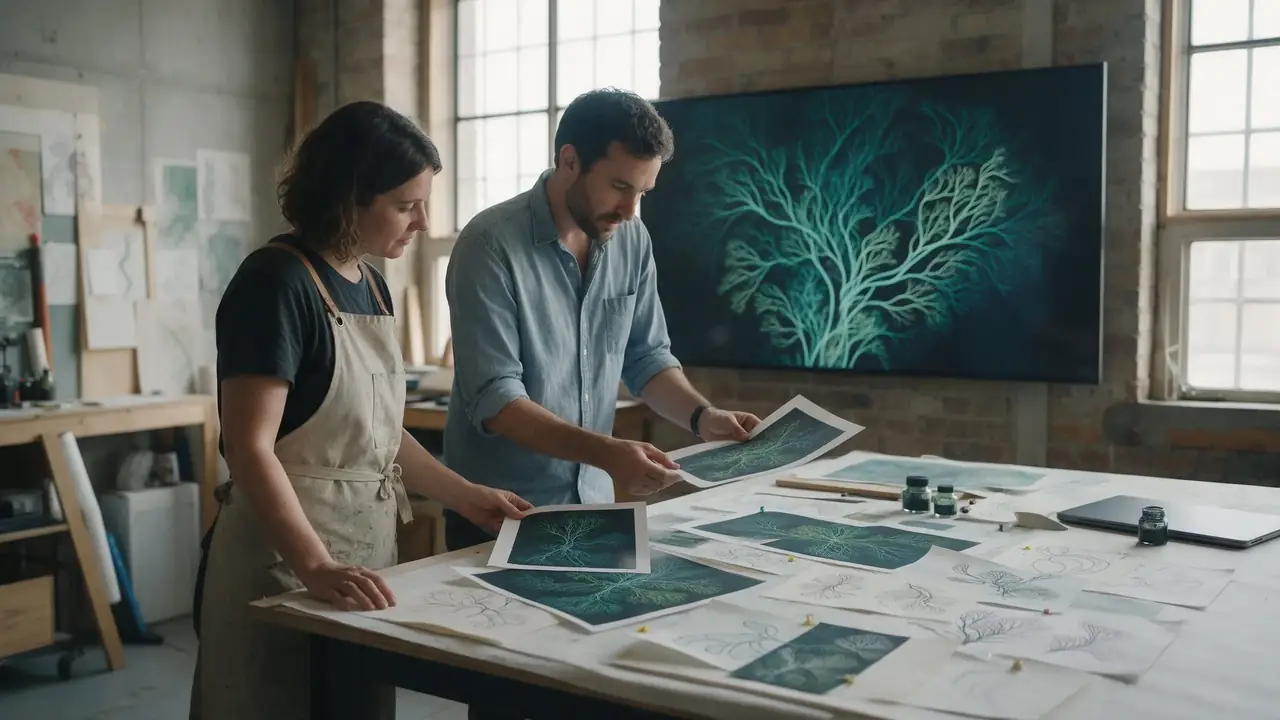
Pay Proposed
Two ideas, both proposed. A seed commission to start the library. After that, pay for the hours a picture is actually up on a real wall. No amount is set. No split is decided. This page cannot pay anyone.
Sample
Sample